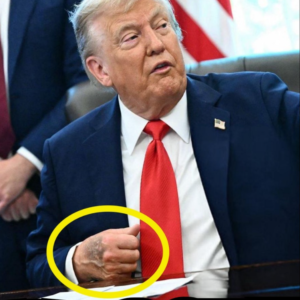
The room was supposed to remember the money. Instead, it remembered her face. In a single viral clip from inside the White House, billionaire philanthropist Susan Dell stood beside Donald Trump as one of the largest child-savings pledges in U.S. history was unveiled. But online, the focus veered off course. Her expression, her appearance, her stillness—every frame dissected, every pause replayed. Within hours, a sweeping $6.25 billion promise to America’s children was drowned out by memes, speculation, and armchair analysis of a woman who never said a word on mic. The internet didn’t just miss the point; it rewrote it, one freeze-framed moment at a ti… Continues…
Inside the White House that December day, the message was meant to be simple and historic: a $6.25 billion commitment to seed savings accounts for millions of American children, giving them a financial foothold many families have never had. Susan and Michael Dell’s pledge was framed as a generational investment, a way to turn abstract policy into tangible futures—college tuition, first homes, safety nets where none existed before.
Yet the internet’s gaze narrowed not on the children, but on Susan Dell herself. Viewers replayed her expression beside Donald Trump, projecting stories onto a face they did not know. Some speculated about cosmetic procedures; others defended her, pointing to age, lighting, and the cruelty of high-definition scrutiny. Through it all, her decades of work in education, health, and opportunity remained largely unchanged—but momentarily invisible. In a world ruled by viral clips, even a multibillion-dollar promise can be upstaged by a single, silent look.