Anyone who has ever rummaged through an old kitchen drawer knows the peculiar experience of finding strange, mysterious gadgets that seem completely out of place in a modern home.
From dusty peelers to unidentifiable measuring devices, these objects often evoke a sense of nostalgia and curiosity.
Recently, one such discovery captured the imagination of social media users worldwide. A photo featuring a small bowl filled with several sharp, metallic instruments went viral, leaving viewers scrambling to guess their purpose.
At first glance, the tools looked intimidating. Some people suggested they were miniature weapons, surgical instruments, or even dental tools.
Others humorously guessed they were used for “finding cavities,” and many commented on their unusual size and design.
Yet, the truth behind these objects was both simpler and far more domestic in nature: they are nut picks, tools once essential in a time when cracking nuts at home was a common household activity.
The Role of Nut Picks in Traditional Kitchens
Before the rise of pre-shelled and packaged nuts, families commonly purchased whole nuts like walnuts, almonds, and pecans.
Nuts were not only a seasonal treat, often associated with holidays such as Thanksgiving and Christmas, but they were also a staple of everyday snacking. Preparing these nuts required manual labor and patience, as the hard shells had to be cracked open carefully to avoid damaging the delicate nut inside.
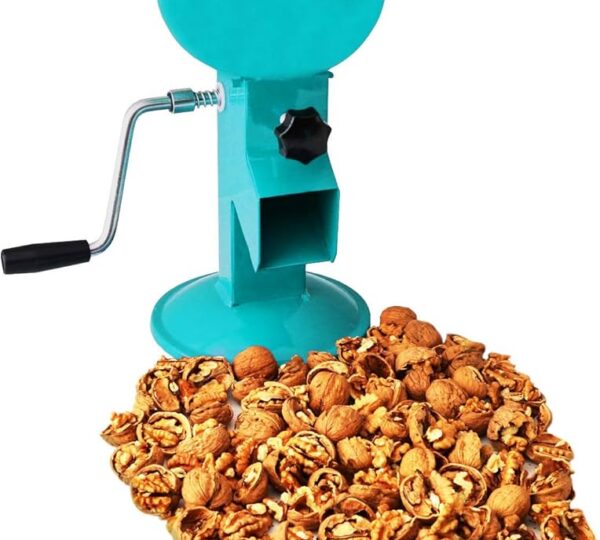
This is where the nutcracker and the nut pick worked in tandem. The nutcracker, whether a simple lever-style metal device or a more elaborate decorative model, would split the shell of the nut.
However, cracking the shell was only half the challenge. The edible nut meat often clung stubbornly to the shell, trapped in corners and crevices that were too small for fingers alone. This is where the nut pick became indispensable.
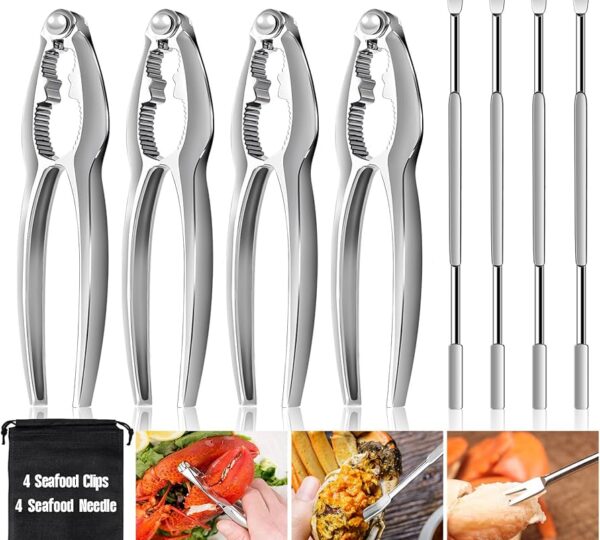
Nut picks were designed with pointed, narrow tips, often made of metal, wood, or plastic, allowing users to extract nut meats without crushing or breaking them.
In many cases, a set of nut picks came with decorative handles, sometimes adorned with wood carvings or mother-of-pearl finishes, reflecting the craftsmanship of the period.
eady for use when the holiday nut bowl appeared.
The Evolution of Nut Consumption
The widespread use of nut picks reflects a broader shift in household practices and food preparation over the last century. In the early 20th century, most nuts were sold in their shells.
While the nut industry has existed for centuries, technological limitations meant that processing nuts on a large scale was labor-intensive and costly.
Families who wanted to enjoy nuts at home had to engage in the time-consuming process of cracking, picking, and cleaning each nut.
Nut picks were particularly useful for walnuts, which have deeply ridged shells, and pecans, where the nut meat is thin and easily broken. Almonds, with their more brittle shells, also benefited from these small tools.
Without nut picks, extracting nut meat would often result in broken or crushed pieces, reducing their aesthetic and culinary appeal. In a time before processed foods dominated the market, these tools allowed families to enjoy perfectly intact nuts for baking, snacking, or adding to salads and desserts.
Nut Picks Beyond Nuts
Interestingly, the design of nut picks has been adapted for other culinary uses. For example, they are functionally similar to tools used for extracting meat from lobsters or crabs, where small, sharp tips are necessary to reach into tight crevices.