As we move past 50, the body rarely announces change with dramatic alarms. Instead, it shifts quietly. Energy that once carried you through long days may taper off earlier than expected. Digestion may feel slower or less predictable. Muscles might stay sore a little longer after routine activity. These changes are not failures — they are part of a natural transition.
The instinct for many people is to search for major solutions: strict diets, complex supplement regimens, or intense fitness programs. But sustainable health after 50 often depends less on drastic measures and more on consistent, manageable habits. Sometimes, support for the body begins with something remarkably simple — a single, everyday food that has been there all along.
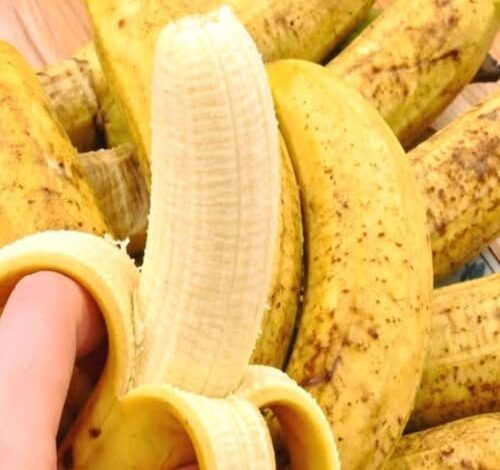
One such example is the banana.
At first glance, a banana seems ordinary. It is inexpensive, widely available, and easy to carry. It doesn’t carry the marketing hype of superfoods or specialty powders. Yet its nutritional profile makes it a practical addition to the diet, particularly as the body’s needs evolve with age.
After 50, metabolism gradually slows. Muscle mass tends to decline unless actively maintained. Hydration becomes more important, and the body may absorb certain nutrients less efficiently. These shifts can contribute to fatigue, mild digestive issues, muscle tightness, and slower recovery after physical activity.
Bananas contain several nutrients that align well with these needs.
One of the most important is potassium. This mineral plays a central role in muscle contraction, nerve signaling, and maintaining fluid balance. Adequate potassium intake supports cardiovascular health and helps regulate blood pressure. While no single food can guarantee protection from muscle cramps or heart issues, maintaining appropriate potassium levels contributes to overall stability in these systems.
Bananas are also a source of vitamin B6, which is involved in energy metabolism and the production of neurotransmitters. As energy fluctuations become more noticeable with age, supporting metabolic efficiency becomes increasingly valuable. B6 assists the body in converting food into usable energy, making it a quiet but important player in daily vitality.
Fiber is another key component. Digestive comfort can become a greater focus in midlife and beyond. Changes in activity levels, hydration habits, medications, or stress can all influence digestion. Bananas contain both soluble and insoluble fiber. Soluble fiber helps form a softer, more regular stool, while insoluble fiber encourages movement through the digestive tract. Together, they support a steadier digestive rhythm when consumed as part of a balanced diet.
Energy regulation is another area where bananas can be useful. Unlike processed snacks that deliver rapid sugar spikes followed by crashes, bananas provide natural carbohydrates that are broken down gradually. This can result in steadier energy release. Paired with protein or healthy fats — such as yogurt, nuts, or nut butter — a banana becomes part of a more balanced snack or meal that sustains energy without heaviness.
Hydration also becomes increasingly important with age. The sensation of thirst may diminish over time, making it easier to become mildly dehydrated without noticing. Potassium helps regulate fluid balance within cells. While water intake remains essential, potassium-rich foods contribute to maintaining proper electrolyte balance, particularly when combined with consistent hydration.
Muscle comfort is another area worth noting. As muscle mass naturally declines with age, maintaining strength and flexibility becomes more intentional. Regular movement, strength training, and adequate protein intake are foundational. Potassium supports muscle function, and when combined with proper hydration and balanced nutrition, it contributes to overall muscle performance.