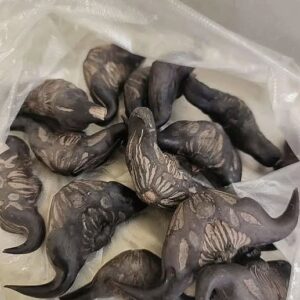
It looks harmless. It isn’t. A humble root, boiled in family kitchens and sold on crowded streets, quietly holds enough poison to stop a heart. In villages and war zones, it’s both lifeline and loaded gun, feeding millions while silently crippling some for life. One mistake in how it’s peeled, soaked, or cooked—and the bod… Continues…
In many tropical communities, cassava is the difference between eating and going hungry, between surviving a drought and watching crops fail. Its hardiness in poor soils makes it a quiet hero of food security, especially where conflict, climate shocks, or poverty leave few alternatives.
But this resilience hides a cruel twist: the very plant that saves lives demands meticulous respect to avoid taking them. Traditional knowledge—peeling away the thick skin, grating, soaking in flowing water, fermenting, sun-drying, and thorough cooking—was forged through generations of painful trial and error.
When that knowledge is lost, rushed, or ignored, the consequences can be catastrophic. Children suddenly unable to walk. Mothers collapsing, their legs stiff and weak. Entire families poisoned by a single hurried meal. The tragedy is not that cassava is dangerous, but that danger rises fastest where people are most desperate. Protecting them means more than distributing food; it means sharing the skills to make that food safe, preserving cultural practices, and ensuring that in the struggle to survive today, they don’t sacrifice their tomorrow.